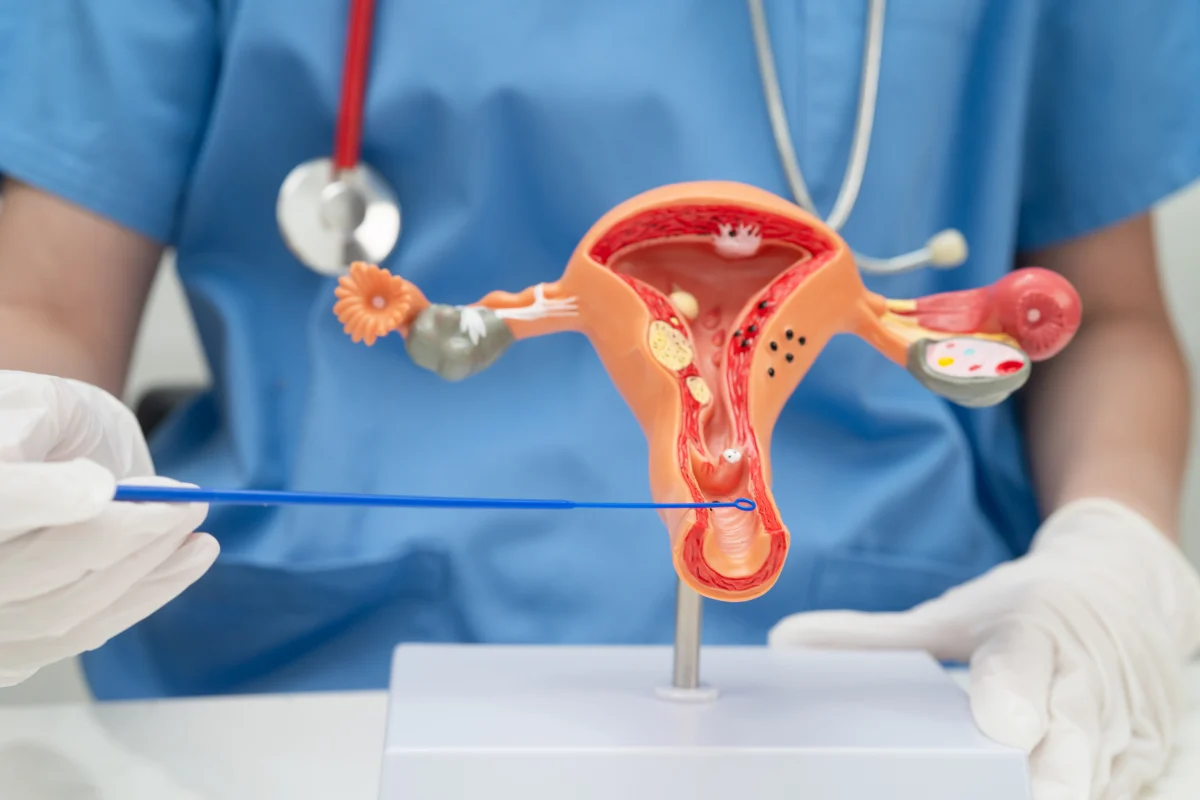
Tubal cannulation is a focused procedure used in selected fertility cases where the blockage is located at the beginning of the fallopian tube, close to the uterus. In the right situation, it can help open the tube without the need for more extensive surgery.
For women trying to conceive, a tubal blockage report can feel discouraging. But not every blockage means the same thing, and not every case needs the same treatment. When the blockage is at the proximal end of the tube, tubal cannulation may be a useful next step before moving on to more invasive options.
Tubal cannulation is a procedure used to open a blocked fallopian tube by passing a very fine catheter or guidewire through the cervix and into the opening of the tube. The aim is to clear a blockage at the uterine end of the tube, also called a proximal tubal block.
This type of blockage can sometimes happen because of mucus, debris, spasm, or a minor obstruction rather than permanent damage to the tube itself. In those selected cases, tubal cannulation may help restore patency and improve the chance of natural conception.
The procedure is not suitable for every type of tubal block. Its success depends on where the blockage is, what is causing it, and whether the rest of the tube appears healthy.
Tubal cannulation may be recommended for women who have:
It is usually considered only after proper fertility assessment, because the location and nature of the blockage matter a great deal in deciding whether this is the right procedure.
The first step is confirming whether the blockage pattern is one where tubal cannulation may actually help. Dr. Neha Lalla will review your fertility history, scan reports, previous investigations, menstrual history, and any other factors that may be affecting conception.
This is important because a blocked tube on a test does not always mean the tube is permanently damaged. Sometimes the blockage is temporary or limited to the very beginning of the tube.
The procedure is usually performed by passing a fine catheter through the cervix into the uterus and then gently guiding it into the opening of the fallopian tube. In selected cases, imaging or hysteroscopic guidance is used to improve precision.
If the blockage is soft or limited, the tube may be opened during the procedure. If the obstruction appears more fixed or the rest of the tube is unhealthy, the procedure may not be effective, and that will guide the next step in treatment.
Recovery is usually straightforward. Some women may experience mild cramping or light spotting for a short time afterwards. Follow-up depends on the findings during the procedure and the overall fertility plan.
If the tube is successfully opened, the next steps may involve timed conception advice, fertility monitoring, or additional treatment depending on the full clinical picture.
Tubal cannulation is designed for proximal tubal block, which means treatment is focused and appropriate rather than generalised.
For the right patient, it can be a useful step before considering more extensive surgery or assisted reproduction.
When successful, tubal cannulation may improve the chance of natural conception by restoring tubal patency.
The procedure is targeted and usually does not require abdominal incisions.
Even when the tube cannot be opened, the procedure can provide useful information about whether further tubal treatment is worthwhile or whether another fertility route may be more suitable.
When tubal blockage is part of the fertility picture, identifying the right treatment early helps create a clearer path forward.
Tubal cannulation is mainly used for blockage at the beginning of the fallopian tube, near the uterus. It is not designed for all types of tubal disease.
In selected cases, yes. If the blockage is successfully opened and there are no major additional fertility factors, natural conception may become possible.
No. It is a more targeted procedure used to open a specific type of blockage, usually without abdominal surgery.
No. It is only appropriate in selected cases. The location of the blockage, the health of the rest of the tube, and the overall fertility picture all need to be assessed first.
Some women may experience mild cramping or discomfort, but it is generally a well-tolerated procedure. The exact experience depends on how the procedure is performed and individual sensitivity.
If the blockage cannot be cleared, Dr. Neha will explain what that means and discuss the most appropriate next step based on your fertility goals and the condition of the tubes.
If you have been told you have a blocked fallopian tube and want to understand whether tubal cannulation is an option, Dr. Neha Lalla offers careful fertility evaluation and treatment planning based on the exact type of blockage and your reproductive goals.
In fertility care, the details matter. The right procedure is the one that matches the real problem.

Dr. Neha Lalla is an Obstetrician & Gynecologist with 6 years of experience inclusive of 3 years of exclusive experience in Gynecological Endoscopy (Laparoscopy & Hysteroscopy surgery).