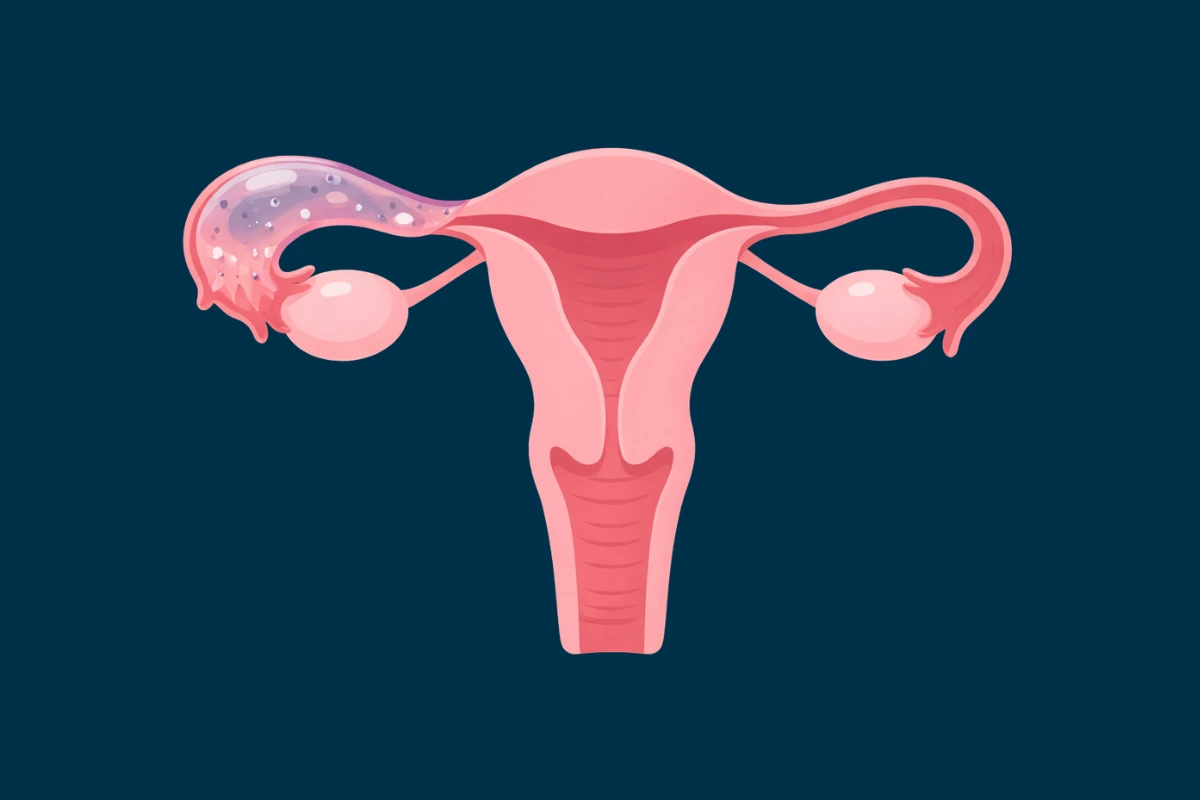
Hydrosalpinx is a condition where a fallopian tube becomes blocked and fills with fluid. It is one of the tubal conditions that can significantly affect fertility, both by reducing the chance of natural conception and by lowering the chances of successful implantation during IVF.
For many women, hydrosalpinx is discovered only during fertility investigations. There may be no obvious symptoms at all. In other cases, there may be pelvic discomfort, a history of infection, or previous tubal disease. What makes hydrosalpinx important is not just the blockage itself, but the way it can interfere with the reproductive environment.
Dr. Neha Lalla offers hydrosalpinx assessment and treatment in Dubai with a clear, fertility-focused approach based on the condition of the tubes, your reproductive goals, and the treatment path that makes the most sense for you.
Hydrosalpinx is a condition in which a fallopian tube is blocked and swollen with fluid. This usually happens when the far end of the tube becomes closed, preventing normal drainage. Over time, fluid collects inside the tube and the tube loses its normal function.
This matters because the fallopian tubes are not just passageways. They play an active role in natural conception. When a tube is blocked and filled with fluid, it may prevent the egg and sperm from meeting, and it can also create an environment that is not favourable for implantation.
Hydrosalpinx can affect one tube or both. In some women, it is linked to previous pelvic infection, endometriosis, adhesions, or surgery. In others, it is found during routine infertility workup.
Hydrosalpinx assessment may be recommended for women who have:
Some women know they have a tubal issue already. Others only find out when fertility treatment is being planned and the scans show a fluid-filled tube.
The first step is understanding how the hydrosalpinx fits into your overall fertility picture. Dr. Neha Lalla will review your fertility history, previous scans, menstrual history, past pelvic infections or surgeries, and whether you are trying naturally or preparing for IVF.
This is important because treatment decisions should be based on more than the scan alone. The impact of hydrosalpinx depends on whether one or both tubes are affected, how severe the damage is, and what your next fertility step looks like.
Hydrosalpinx may be suspected on ultrasound and further assessed through fertility imaging. The aim is to understand the size and condition of the tube and whether there are other associated pelvic findings such as adhesions, endometriosis, or additional tubal damage.
In some cases, laparoscopy may also play a role in confirming the condition and planning treatment.
Treatment depends on your fertility goals and the condition of the affected tube. In many cases, minimally invasive laparoscopic surgery is considered to address the hydrosalpinx, especially when it is likely to be affecting natural conception or reducing IVF success.
The goal is to improve the fertility environment and choose the treatment path that gives the best realistic chance moving forward.
If surgery is needed, recovery is usually smoother with a minimally invasive approach. Once treatment is complete, the next step may involve trying naturally in selected cases or moving ahead with fertility treatment with a clearer plan.
The important part is that the treatment is not just about the tube itself. It is about improving the overall chances of pregnancy.
Hydrosalpinx is one of the tubal conditions that can significantly affect conception, and treating it can be an important step in the fertility journey.
A fluid-filled blocked tube can interfere with implantation. Treating it may help create a better environment for pregnancy.
When hydrosalpinx is present, dealing with it before IVF may improve the chances of implantation and treatment success in selected women.
Once hydrosalpinx is identified properly, the next step becomes more focused and less uncertain.
If the condition is causing discomfort, pressure, or pelvic pain, treatment may also help with symptoms.
The plan is based on whether you are trying to conceive naturally, preparing for IVF, or still in the evaluation stage.
Yes, it can. Hydrosalpinx may reduce the chances of natural conception and can also affect implantation, including during IVF.
No. Many women have no obvious symptoms, and the condition is often found only during fertility testing.
That depends on whether one or both tubes are affected, the condition of the other tube, and whether there are any additional fertility factors. A proper assessment is needed.
The fluid inside the damaged tube may affect the uterine environment and implantation, which is why treatment is often considered before IVF in selected cases.
Possible causes include previous pelvic infection, endometriosis, adhesions, prior pelvic surgery, or other tubal damage.
In many cases, surgery is considered because it may improve fertility outcomes, especially before IVF. The exact treatment depends on the severity of the condition and your reproductive plans.
That depends on your scans, fertility history, symptoms, and whether you are trying naturally or preparing for fertility treatment. A detailed consultation is the best place to start.
If you have been told you have hydrosalpinx, or a fertility scan has shown a fluid-filled blocked tube, Dr. Neha Lalla offers careful evaluation and treatment planning based on what will best support your chances of pregnancy.
When the tube is affecting fertility, the right treatment can make the next step much clearer.

Dr. Neha Lalla is an Obstetrician & Gynecologist with 6 years of experience inclusive of 3 years of exclusive experience in Gynecological Endoscopy (Laparoscopy & Hysteroscopy surgery).