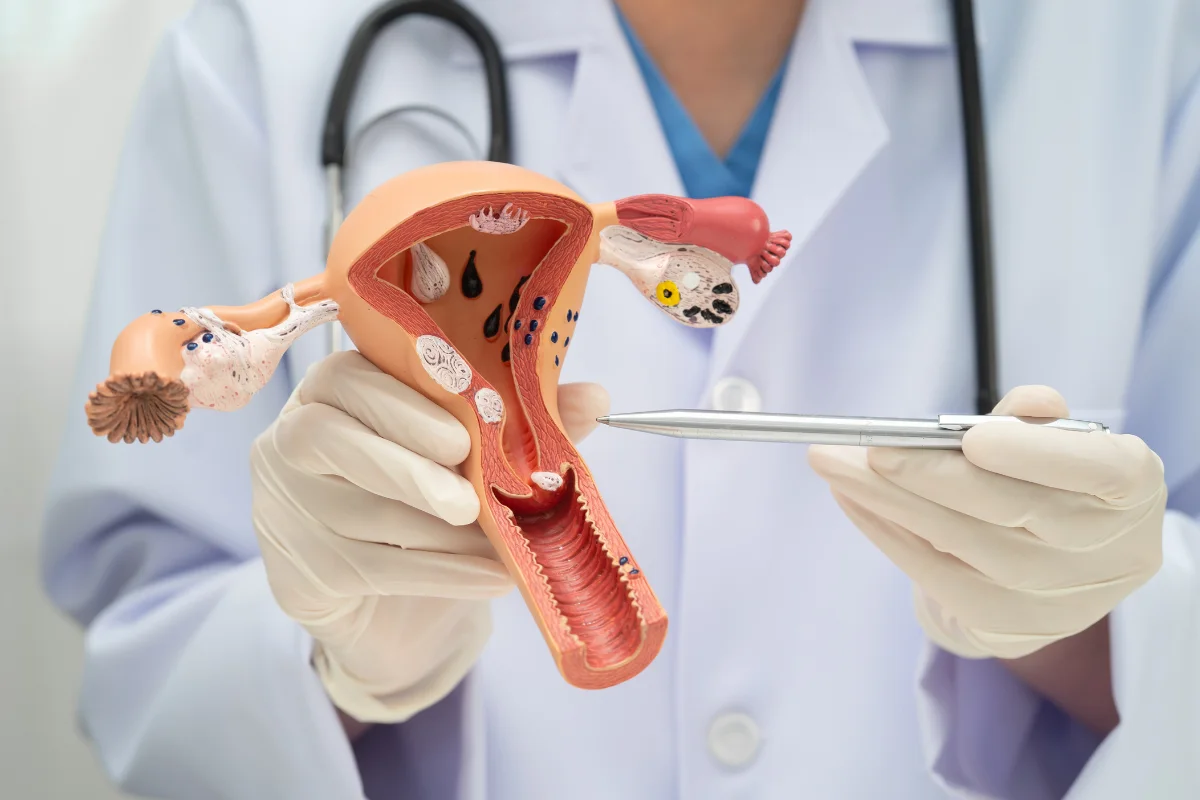
Uterine fibroids are very common, but the right treatment is never just about finding them on a scan. Some fibroids cause no symptoms at all and simply need monitoring. Others can lead to heavy bleeding, pelvic pressure, pain, bloating, urinary symptoms, fertility concerns, or repeated disruption to daily life.
That is why fibroid care should not be one-size-fits-all. The right next step depends on what the fibroids are actually doing, where they are located, how large they are, and whether fertility preservation matters.
Dr. Neha Lalla offers uterine fibroid treatment in Dubai with a clear, structured approach that focuses on what is right for you, whether that means observation, medical management, or minimally invasive surgery.
Uterine fibroids are non-cancerous growths that develop from the muscle layer of the uterus. They can vary widely in size, number, and location. Some grow within the uterine wall, some bulge outward, and others project into the uterine cavity.
Not all fibroids behave the same way. A small fibroid inside the uterine cavity can cause significant bleeding or affect fertility, while a larger fibroid elsewhere may cause very few symptoms. That is why treatment decisions are based on more than size alone.
Fibroids are usually found during ultrasound, routine gynaecological evaluation, or when symptoms such as heavy periods or fertility concerns lead to further investigation.
Fibroid treatment may be recommended for women who have:
Some women need active treatment. Others only need regular monitoring. The decision depends on your symptoms, scan findings, age, and future pregnancy plans.
The first step is understanding which fibroids are present and whether they are actually responsible for your symptoms. Dr. Neha Lalla will review your bleeding pattern, pain, pressure symptoms, scan findings, menstrual history, and fertility goals in detail.
This part matters because not every fibroid needs intervention, and not every symptom is caused by fibroids alone.
Once the fibroids are assessed properly, treatment is planned based on what is clinically relevant.
For some women, monitoring is the right approach, especially when fibroids are small and not causing symptoms.
For others, medical treatment may help manage bleeding or symptoms.
When fibroids are clearly affecting quality of life, fertility, or the shape of the uterus, minimally invasive surgery may be the better option. This may include hysteroscopic treatment for fibroids inside the uterine cavity or laparoscopic surgery for selected fibroids elsewhere in the uterus.
Fibroid treatment should always take future plans into account. If preserving the uterus matters, that shapes the decision. If the symptoms are severe and childbearing is complete, a different route may be more appropriate.
The goal is not just to treat the fibroid. It is to choose the treatment that actually makes sense for your life and your body.
Fibroid care should focus on the fibroids that are truly causing symptoms or affecting fertility, not just every fibroid seen on a scan.
When fibroids are the cause of heavy periods, pelvic pressure, bloating, or pain, treatment can bring meaningful relief.
If fibroids are distorting the uterine cavity or interfering with conception, treatment may help improve the reproductive environment in selected cases.
Not every fibroid needs to be removed. A proper evaluation helps avoid overtreatment.
When surgery is needed, minimally invasive approaches can offer smaller scars, quicker recovery, and less post-operative discomfort.
One of the biggest benefits is understanding whether the right next step is watchful monitoring, medication, or surgery, and why.
No. Many fibroids do not need treatment if they are not causing symptoms or affecting the uterus in a significant way. The decision depends on symptoms, size, location, and fertility plans.
Yes, some fibroids can, especially if they distort the uterine cavity or interfere with implantation. The effect depends on where the fibroid is located.
No. Some women have no pain at all, while others may have heavy bleeding, pressure, bloating, or pelvic discomfort.
Yes. In many cases, fibroids can be monitored, managed medically, or removed while preserving the uterus, depending on the type of fibroid and your treatment goals.
Surgery may be recommended when fibroids are causing significant symptoms, affecting fertility, growing in a concerning way, or not responding to medical treatment.
There is no single best treatment for every woman. The right treatment depends on the fibroid size, number, location, symptoms, age, and whether future pregnancy matters.
If you are having heavy periods, pelvic pressure, increasing pain, bloating, or fertility concerns linked to fibroids, it is worth getting them assessed properly.
If you have been told you have fibroids and are unsure whether they need treatment, Dr. Neha Lalla offers careful evaluation and personalised fibroid care based on your symptoms, scan findings, and future plans.
With fibroids, the right decision is rarely the quickest one. It is the one that fits your body, your symptoms, and your goals.

Dr. Neha Lalla is an Obstetrician & Gynecologist with 6 years of experience inclusive of 3 years of exclusive experience in Gynecological Endoscopy (Laparoscopy & Hysteroscopy surgery).