When pregnancy is not happening, the reason is not always hormonal. In some women, the problem lies in the pelvic organs themselves, such as adhesions, endometriosis, fibroids, tubal blockage, scar tissue inside the uterus, or other structural changes that interfere with conception or implantation.
Fertility enhancing surgeries are minimally invasive procedures used to identify and treat these structural causes of infertility. The goal is not to operate unnecessarily. It is to treat the issue that is standing in the way of pregnancy, in the most precise and fertility-conscious way possible.
Dr. Neha Lalla offers fertility enhancing surgeries in Dubai for women who need more than medical treatment alone, with a clear focus on preserving reproductive potential and planning treatment around the actual cause.
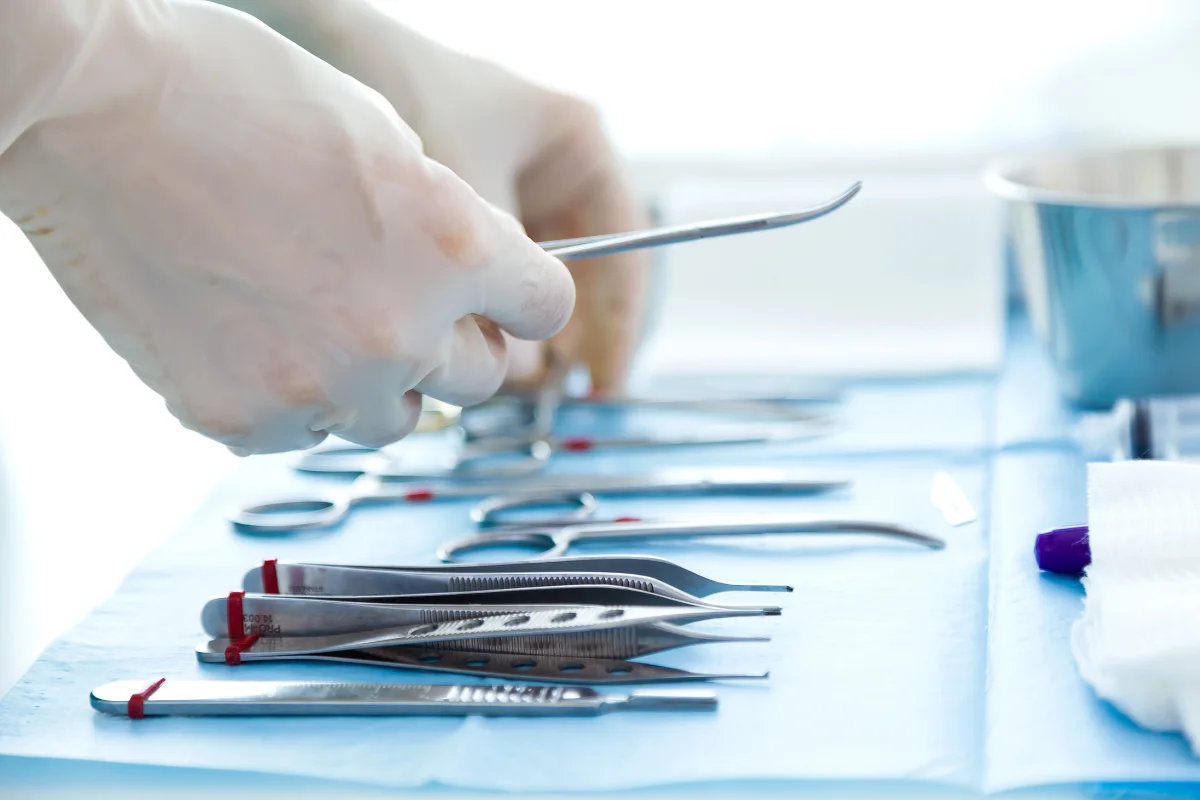
Fertility enhancing surgeries are procedures performed to improve the chances of conception by correcting structural or anatomical issues that may be affecting fertility. These are usually done using minimally invasive techniques such as laparoscopy or hysteroscopy, depending on where the problem is located.
They may be recommended when investigations show that the reason for infertility is related to the uterus, fallopian tubes, ovaries, or surrounding pelvic structures. In some cases, surgery helps remove a clear barrier to conception. In others, it helps create a healthier environment for implantation or future fertility treatment.
These procedures are not the starting point for everyone. They are considered when surgery is likely to add real value to the fertility journey.
Fertility enhancing surgeries may be recommended for women who have:
These surgeries are usually advised after a proper fertility workup, when the findings suggest that correcting the structural issue may improve the chance of natural conception or support the next fertility step more effectively.
The first step is understanding exactly what is affecting fertility and whether surgery is likely to help. Dr. Neha Lalla will review your fertility history, previous scans, blood tests, menstrual cycle, prior treatment, and any history of miscarriage, pelvic pain, endometriosis, or previous surgeries.
This part is important because fertility surgery should never be routine. It should be recommended only when it is clearly relevant to your case.
The type of surgery depends on where the problem is.
If the issue is inside the uterus, such as adhesions, a septum, a polyp, or a cavity-distorting fibroid, a hysteroscopic procedure may be advised.
If the issue is in the pelvis, such as endometriosis, adhesions, ovarian cysts, or certain tubal problems, laparoscopic surgery may be more appropriate.
The aim is to treat what is affecting fertility while preserving healthy tissue and avoiding unnecessary intervention.
Because these procedures are usually minimally invasive, recovery is often smoother than with open surgery. The follow-up is just as important as the procedure itself. Once the findings are clear and the surgery is complete, Dr. Neha will guide you on the next step, whether that means trying naturally, monitoring ovulation, or moving ahead with further fertility treatment if needed.
When infertility is linked to a physical issue such as adhesions, endometriosis, fibroids, or uterine abnormalities, surgery can address the problem more directly than medication alone.
In selected women, correcting the structural issue can improve the possibility of conceiving naturally.
Even when natural conception is not the immediate next step, surgery may help improve the conditions for implantation or future fertility treatment.
Most fertility enhancing surgeries are performed laparoscopically or hysteroscopically, which usually means smaller scars, less pain, and quicker recovery than open surgery.
The procedure is chosen based on your fertility findings, not as a one-size-fits-all solution.
Sometimes the biggest value of surgery is not just treatment, but clarity. Once the structural issue has been addressed, the path forward often becomes much clearer.
No. Surgery is only recommended when there is a structural or anatomical issue that is likely to be affecting fertility and where treatment is expected to help.
These surgeries may be used to treat endometriosis, adhesions, hydrosalpinx, uterine septum, uterine polyps, certain fibroids, ovarian cysts, and selected tubal problems.
Not always. Some are done laparoscopically, while others are done hysteroscopically through the cervix if the issue is inside the uterus.
In selected cases, yes. The benefit depends on what is being treated, your overall fertility picture, age, ovarian reserve, and whether there are any additional fertility factors.
Recovery depends on the type of surgery performed. Because these are usually minimally invasive procedures, many women recover faster than they would after open surgery.
After surgery, the next step depends on the findings and your overall fertility plan. Some women may try naturally, while others may need further treatment or monitoring.
That depends on your fertility history, scan findings, symptoms, and previous investigations. A detailed consultation is the best way to understand whether surgery is appropriate in your case.
If you have been trying to conceive and there is a known or suspected structural reason why pregnancy is not happening, Dr. Neha Lalla offers fertility enhancing surgeries planned around the exact issue, not just the label of infertility.
When the cause is structural, the right treatment often starts by correcting what is physically standing in the way.
Dr. Neha Lalla is an Obstetrician & Gynecologist with 6 years of experience inclusive of 3 years of exclusive experience in Gynecological Endoscopy (Laparoscopy & Hysteroscopy surgery).