Endometriosis can affect much more than your periods. For many women, it shows up as ongoing pelvic pain, painful periods, pain during intercourse, bowel discomfort, fatigue, or difficulty conceiving. It is also one of the most commonly delayed diagnoses in women’s health, which means many patients spend years being told their symptoms are normal when they are not.
Dr. Neha Lalla offers structured endometriosis care in Dubai, with a focus on proper evaluation, clear diagnosis, and treatment that is tailored to the severity of symptoms, fertility plans, and long-term quality of life.
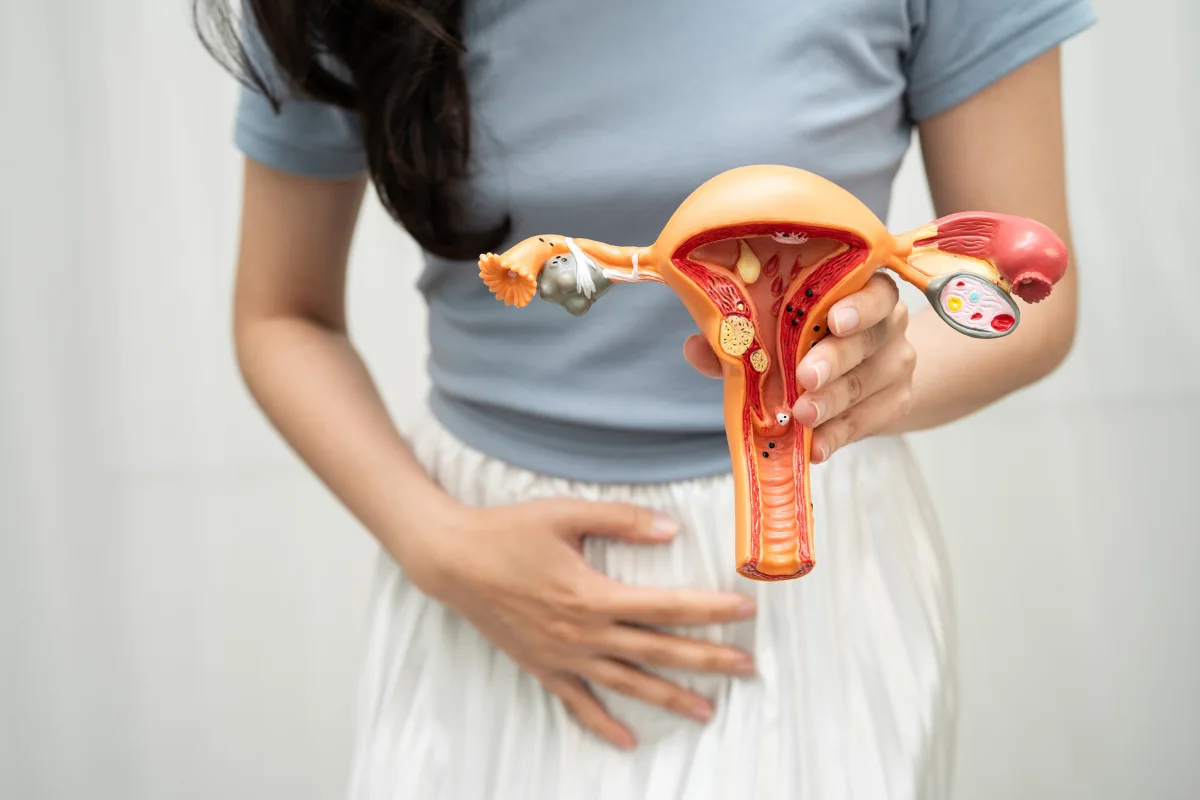
Endometriosis is a condition in which tissue similar to the lining of the uterus grows outside the uterus, most commonly on the ovaries, fallopian tubes, pelvic lining, bowel, or surrounding pelvic structures. This tissue responds to hormonal changes during the menstrual cycle, which can lead to inflammation, pain, scarring, adhesions, and in some cases, fertility problems.
One of the reasons endometriosis is so often missed is that its symptoms can vary widely. Some women have severe pain with relatively small areas of disease, while others may have more extensive endometriosis discovered only during fertility workup or surgery.
Because of this, endometriosis care needs more than symptom control alone. It needs careful assessment and a plan that looks at the full picture.
Endometriosis care may be needed for women who have:
Some women come in because of pain. Others come in because pregnancy is not happening and endometriosis is found during the evaluation. Both situations need careful and individualised management.
The first step is understanding your symptoms properly. Dr. Neha Lalla will take a detailed history, including the pattern of pain, menstrual symptoms, fertility concerns, previous scans, and any treatments you have already tried.
This part matters because endometriosis is not diagnosed by one symptom alone. The history often gives important clues that routine consultations may miss.
Depending on your symptoms, evaluation may include pelvic examination, ultrasound, and review of previous reports. In some cases, imaging may suggest endometriosis clearly, especially if an endometrioma is present. In other cases, scans may not show the full extent of disease.
When symptoms strongly suggest endometriosis but imaging remains inconclusive, laparoscopy may be recommended for a more accurate diagnosis and, where appropriate, treatment at the same time.
Treatment depends on what the endometriosis is doing in your case. For some women, medical management may help control symptoms. For others, especially when pain is severe, endometriomas are present, or fertility is affected, surgery may be the better option.
The aim is not just to temporarily suppress symptoms, but to create a treatment plan that makes sense for your pain, your body, and your future plans.
When surgery is needed, it is usually performed laparoscopically. This allows Dr. Neha to directly visualise endometriosis, remove or treat the affected tissue, release adhesions where needed, and address pelvic disease with precision through a minimally invasive approach.
Surgical planning is especially important when fertility preservation is a priority.
Painful periods and chronic pelvic pain are often normalised for too long. Proper treatment can help reduce the pain that is disrupting work, rest, relationships, and routine life.
In women where endometriosis is affecting conception, treatment may improve the pelvic environment and help guide the next step more clearly.
Many women feel relieved simply by finally understanding what has been causing their symptoms. A proper diagnosis changes the direction of care.
Endometriosis does not look the same in every woman. That is why management should be based on symptoms, severity, fertility goals, and surgical findings where relevant.
When surgery is needed, a laparoscopic approach usually means smaller incisions, less pain, and a smoother recovery than open surgery.
The goal is not only to manage the current episode of pain, but to reduce ongoing disruption and plan treatment thoughtfully.
Symptoms such as very painful periods, chronic pelvic pain, pain during intercourse, bowel pain during periods, and unexplained fertility concerns can all suggest endometriosis. A detailed consultation and proper evaluation are the best place to start.
Sometimes yes, sometimes no. Certain forms of endometriosis, such as ovarian endometriomas, may show clearly on ultrasound. But milder or more deeply located disease may not always be visible on routine scans.
Not always. Some women can be managed based on symptoms and imaging. However, laparoscopy may be recommended when the diagnosis is unclear, symptoms are significant, or surgery is likely to help.
Yes, it can. Endometriosis may affect the ovaries, fallopian tubes, pelvic anatomy, or the overall reproductive environment. The effect varies from one woman to another.
Endometriosis can be managed very effectively, but it is a long-term condition and symptoms can return in some women over time. The aim is to reduce pain, improve function, and support fertility where relevant.
If your periods are painful enough to interfere with daily life, require frequent pain medication, or are getting worse over time, they deserve proper evaluation.
If you have been living with painful periods, pelvic pain, or fertility concerns and feel you still do not have a clear answer, Dr. Neha Lalla offers specialist endometriosis evaluation and treatment with a structured, thoughtful approach.
The first step is understanding what your symptoms are really pointing to and building the right plan from there.

Dr. Neha Lalla is an Obstetrician & Gynecologist with 6 years of experience inclusive of 3 years of exclusive experience in Gynecological Endoscopy (Laparoscopy & Hysteroscopy surgery).