Laparoscopic myomectomy is a minimally invasive surgery used to remove fibroids while preserving the uterus. It is often the preferred option for women whose fibroids are causing symptoms such as heavy bleeding, pelvic pain, pressure, or fertility concerns, especially when preserving the uterus matters.
For many women, the goal is not just to remove fibroids. It is to feel better, protect future fertility where possible, and avoid a bigger surgery than necessary. That is exactly where laparoscopic myomectomy can make a meaningful difference.
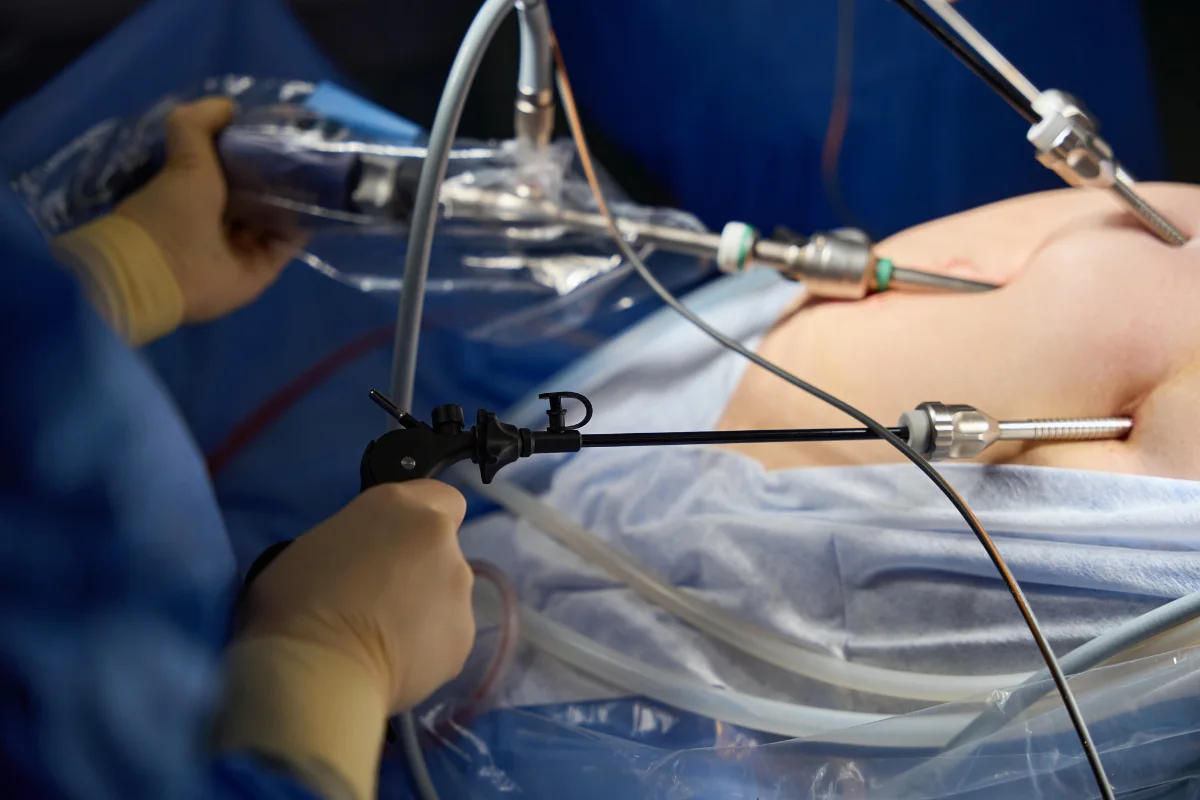
Laparoscopic myomectomy is a keyhole procedure performed through small incisions in the abdomen to remove fibroids from the uterus. A camera and specialised instruments are used to carefully identify the fibroids, remove them, and repair the uterine muscle with precision.
Unlike a hysterectomy, this surgery keeps the uterus in place. That makes it an important option for women who may want to conceive in the future, or simply want treatment that addresses the fibroids without removing the uterus.
Not every fibroid needs surgery, and not every fibroid can be removed laparoscopically. The best approach depends on the size, number, and location of the fibroids, along with your symptoms, scan findings, and reproductive plans.
Laparoscopic myomectomy may be recommended for women who have:
This procedure is usually considered when fibroids are clearly affecting quality of life, fertility, or both, and when a minimally invasive approach is safe and appropriate.
The first step is understanding exactly what the fibroids are doing. Dr. Neha Lalla will review your symptoms, scan reports, menstrual history, and fertility goals in detail. This helps determine whether surgery is actually needed, and if so, whether laparoscopic myomectomy is the right and safest option.
Depending on your case, you may need an ultrasound, MRI in selected situations, blood tests, or pre-anaesthetic assessment before surgery.
The procedure is performed under general anaesthesia. Small incisions are made on the abdomen, and a laparoscope is used to give a magnified view of the uterus and surrounding pelvic structures. The fibroids are carefully removed, and the uterus is then repaired in a way that supports healing and, where relevant, future pregnancy.
The exact surgical plan depends on how many fibroids are present, how large they are, and where they are located.
Most women recover more comfortably than they would after open surgery. Mild soreness, bloating, fatigue, and light spotting can happen in the first few days, which is normal. Recovery advice, activity restrictions, pain relief, and follow-up will all be explained clearly before discharge.
If fertility is a priority, Dr. Neha will also guide you on when it is safe to start trying for pregnancy after surgery.
This procedure removes fibroids while keeping the uterus intact, which is especially important for women who want to conceive or prefer uterus-preserving treatment.
Heavy bleeding, pelvic pain, pressure, bloating, and discomfort can all improve significantly when the right fibroids are removed.
Because the surgery is done through small incisions, recovery is usually smoother than with open abdominal surgery.
When fibroids are affecting implantation, distorting the uterine cavity, or interfering with conception, removing them may improve fertility outcomes in selected patients.
Compared to open surgery, laparoscopic myomectomy usually means less visible scarring, less post-operative discomfort, and a quicker return to normal routine.
The decision to operate is not based on the scan alone. It is based on your symptoms, your body, and what you want the treatment to achieve.
A myomectomy removes the fibroids and keeps the uterus in place. A hysterectomy removes the uterus itself. If preserving the uterus matters, myomectomy is usually the treatment considered first.
Many women do conceive after myomectomy, depending on their overall fertility and the reason the surgery was needed. If pregnancy is part of your plan, that is always taken into account before surgery.
Not always. Some fibroids are too large, too numerous, or located in a way that may make a different surgical approach safer. This is why proper pre-surgical planning is so important.
Recovery varies depending on the complexity of the surgery, but many women are up and moving within a few days and gradually return to normal activities over the next couple of weeks. Full healing takes longer, especially if pregnancy is planned later.
Myomectomy removes the fibroids that are present at the time of surgery, but it does not stop new fibroids from developing in the future. The chance of recurrence depends on age, hormonal factors, and the number of fibroids.
You should contact the clinic if you have heavy bleeding, fever, severe pain, vomiting, redness or swelling at the incision site, or any symptom that feels unusual during recovery.
If you have fibroids and want to understand whether they are affecting your symptoms, your fertility, or both, Dr. Neha Lalla offers careful assessment and minimally invasive treatment planned around what is right for you.
Dr. Neha Lalla is an Obstetrician & Gynecologist with 6 years of experience inclusive of 3 years of exclusive experience in Gynecological Endoscopy (Laparoscopy & Hysteroscopy surgery).